

A weighted blanket's gentle, even pressure is a big part of its appeal — lots of people say it helps them settle down at bedtime. But if you tend to sleep hot, a standard weighted blanket can trap more heat than you'd like. Before you buy, run through these six questions.
1. What's the cover made of?
This is the single biggest factor in how warm a blanket feels. Breathable, moisture-wicking fabrics make the biggest difference:
- Bamboo viscose — smooth and cool to the touch.
- Cotton percale — crisp, airy and easy to wash.
- Tencel lyocell — soft, silky and good with moisture.
Plush minky and fleece covers feel lovely in January, but they hold heat. A removable cover lets you switch between the two by season.
2. Is it bead-filled or knitted?
Bead-filled blankets hold glass or plastic beads in stitched pockets. Glass beads are denser, so the blanket can be thinner for the same weight. Knitted blankets skip beads altogether and get their weight from thick, chunky yarn — the open loops let air through, which makes them one of the coolest choices.
3. How heavy should it be?
A common guideline is around 10% of your body weight. Treat that as a starting point, not a rule. Hot sleepers often prefer to go a little lighter, and comfort should win every time.
If you're unsure between two weights, the lighter one is usually the safer bet for warm sleepers.
4. What size do you actually need?
Weighted blankets are meant to rest on your body, not hang over the edges of the bed. Pick a size close to your own frame. Oversized blankets tend to slide off — and more fabric means more warmth.
5. How easy is it to clean?
Look for a machine-washable cover that zips off. The heavy inner layer may need spot-cleaning or a large-capacity washer, so check the label before you buy.
6. What else is on the bed?
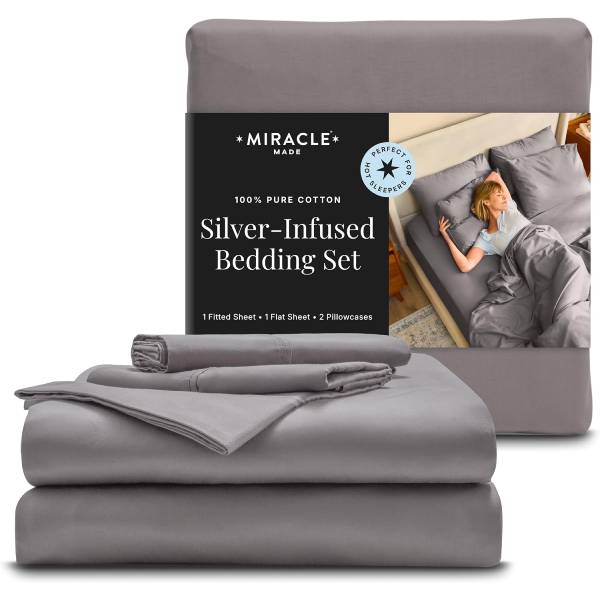
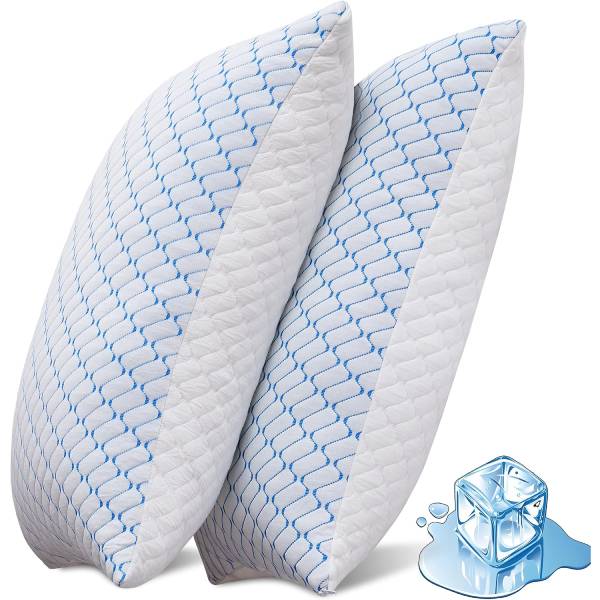
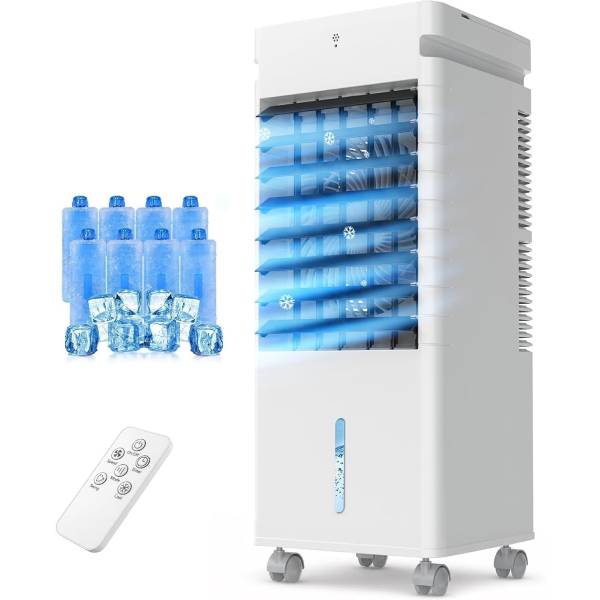
A cool blanket can be undone by warm bedding. Pair it with breathable cotton sheets and a pillow designed to stay cool, skip the duvet on warm nights, and keep air moving with a fan or portable cooler.
Weighted blankets aren't suitable for infants or toddlers, and children should only use one with a pediatrician's guidance. If you have a breathing, circulation or sleep-related health condition, check with your doctor first.